Step 1
Let treatment come first
Keep a simple list of hospitals, doctors, diagnoses you are told, surgeries or transfers, and major symptoms. You do not need perfect notes. You need a record that helps you remember later.
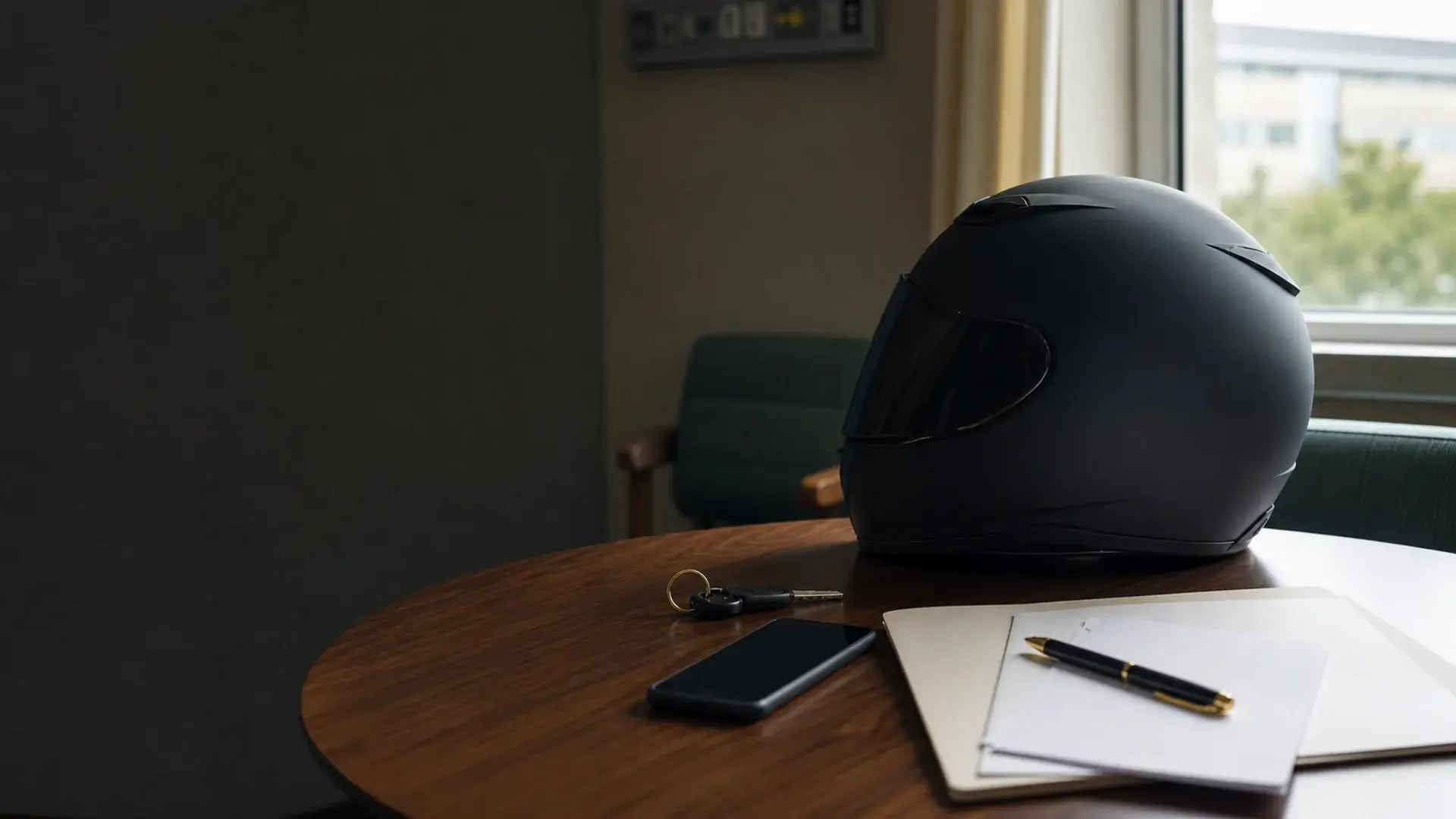
Hospital and family help
If someone you love is in the hospital after a motorcycle crash, the case can wait long enough for you to breathe. Let medical care come first. Then choose a few practical things that protect the family while the facts are still fresh.
Work the task in front of you. A case-review request is a separate next step.
Step 1
Keep a simple list of hospitals, doctors, diagnoses you are told, surgeries or transfers, and major symptoms. You do not need perfect notes. You need a record that helps you remember later.
Step 2
If possible, have one person keep police, hospital, tow, and insurance information in one place. That prevents important names, numbers, and deadlines from being scattered across texts.
Step 3
Find out where the motorcycle was towed and where the helmet, phone, camera, clothing, wallet, and other belongings went. Photograph items before they are cleaned, repaired, or discarded.
Step 4
Ask for the responding agency, report number, and how to request the report. If something sounds wrong early, write down the concern and look for witnesses or video that can help answer it.
Step 5
If adjusters call while your family is still trying to understand the injuries, get contact information and claim numbers. Avoid guessing on behalf of the injured person.
Private family coordinator map
A hospital stay can produce overlapping calls, texts, names, decisions, and errands while the rider may be unable to answer questions. One private coordinator can keep the practical work moving without claiming medical or legal authority the family does not have.
Keep the coordinator file private. Portal passwords, access codes, full medical records, diagnoses, room details, crash theories, and injury images belong outside shared family threads and public posts. Rider First's initial form accepts no uploads.
Record a fact only with its source and date. Keep unresolved questions in a separate list, and mark sensitive details private. The coordinator organizes information; the coordinator does not turn assumptions passed through a family text chain into facts.
Ask the hospital what the rider authorized and what documentation it needs. HHS permits certain relevant disclosures to people involved in care, but a close family relationship alone does not establish every access or decision right. Personal-representative authority depends on applicable law and its scope.
Assign separate owners for the motorcycle and gear, police and tow information, possible cameras or witnesses, insurance and mail, work notice, and household needs. Give each task a status and next step. Avoid repeatedly questioning a rider who is medicated, exhausted, or unable to respond.
Preserve provider-issued discharge instructions, medication and equipment lists, referrals, follow-up dates, restrictions, and the transport plan. Separately plan meals, mobility, children or pets, work communication, and motorcycle custody. Direct medical questions to the treating team.
This workflow does not diagnose an injury, decide who has authority, replace the hospital's process, pause or preserve a deadline, or create representation. The rider's authorization, capacity, applicable law, and the provider's professional judgment can change what information may be shared.
See the separate medical-record request mapReviewed 2026-08-28
HHS: Family members and friends
Current HHS overview of when a provider or plan may share relevant health information with family or friends involved in care or payment for care.
HHS: Family access to health information
Current HHS guidance distinguishing patient authorization, permitted family disclosures, incapacitated-patient professional judgment, and personal-representative access.
HHS: Personal representatives
Current HHS guidance explaining that personal-representative status and the scope of authority derive from State or other applicable law.
Questions
These answers are general information. A real claim depends on the crash facts, injuries, insurance, venue, and available proof.
Focus on medical care, then preserve basic information: police agency, report number, tow location, belongings, insurance contacts, witnesses, and the names of hospitals and doctors.
Write down what seems wrong and gather proof, but avoid turning an early concern into an argument at the hospital. Witnesses, video, photos, and medical records usually matter more than quick accusations.
Case-specific next step
Begin with a way to reach you, the names of known people, businesses, or insurers involved, and the crash basics you know. The short summary is optional. Rider First's stated legal-service scope is Oklahoma motorcycle injury matters. Submission does not promise review, response, acceptance, or representation and does not extend a deadline.
Request an Oklahoma case review