
Oklahoma law office conference table with motorcycle helmet, case files, and city light through the window

D. Colby Addison

D. Colby Addison | Oklahoma trial lawyer

D. Colby Addison is a co-owner of Oklahoma Motorcycle Lawyers and practices through Addison Law Firm. His public profile describes more than a decade of Oklahoma trial experience in serious-injury, trucking, and civil-rights matters, along with employment and tribal-government work.

Jason Hicks and D. Colby Addison jointly own Rider First and are responsible counsel for its content and advertising. Both are source owners for Rider First content. Jason practices through Hicks Law Firm and Colby practices through Addison Law Firm; the firms are separate. Any accepted representation is governed by a written agreement identifying case-specific roles, scope, fees, costs, and day-to-day responsibility.

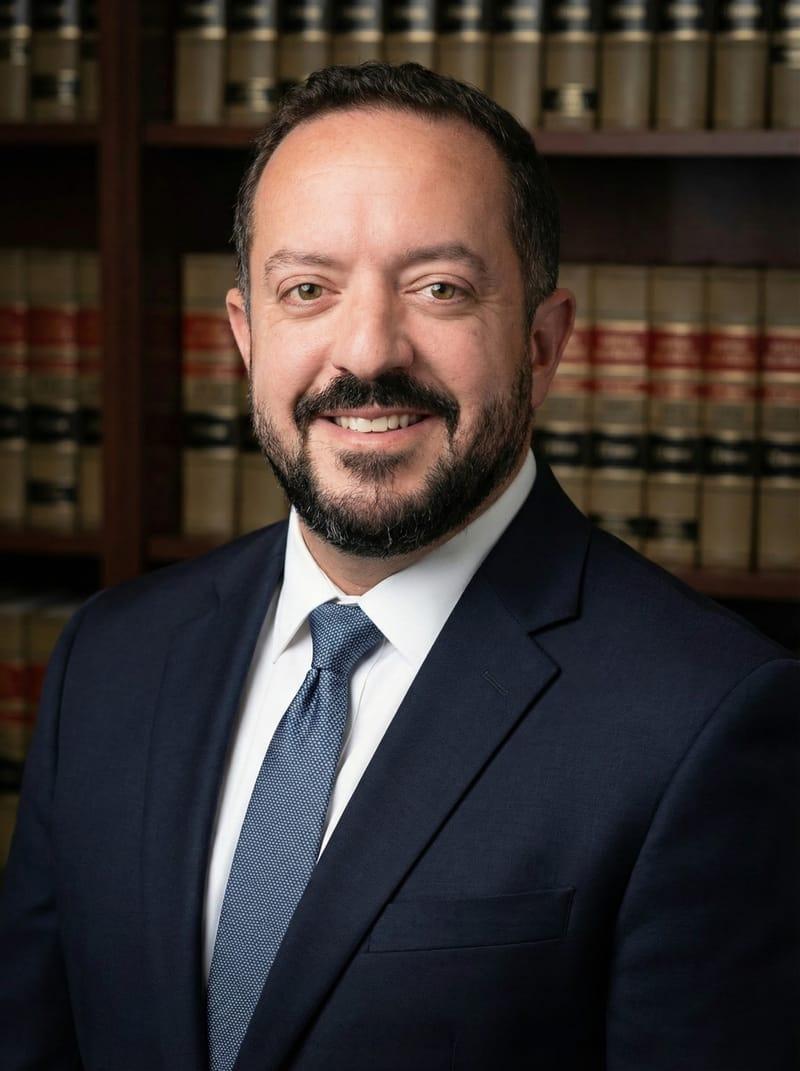
D. Colby Addison portrait for Oklahoma Motorcycle Lawyers

Addison Law Firm

Verified professional background.

Motorcycle cases can combine severe medical harm, contested visibility, incomplete early reports, insurance pressure, and records held by several public or private sources. Colby's published trial, administrative, and judicial background supports a structured review of those issues without treating a title, award, or past firm result as a guarantee.

Current Tribal Supreme Court Justice
Former Administrative Law Judge
J.D., University of Oklahoma College of Law
Admitted in Oklahoma, the Tenth Circuit, and all three Oklahoma federal districts
Super Lawyers Rising Stars, 2019–2026

Profile sources reviewed August 11, 2026. Credentials and roles can change; use the linked firm profile for the current source.

How the background applies

Build the motorcycle case around evidence, not assumptions.

1

Serious-injury review should connect medicine to function

The value and legal significance of an injury cannot be reduced to a diagnosis code or hospital bill. A careful review follows treatment, symptoms, physical restrictions, work loss, future-care questions, and the ways the injury changes daily life while remaining candid about uncertainty.

  • Build a treatment chronology from emergency care through rehabilitation and follow-up.
  • Keep wage, job-duty, transportation, household, and family-support records with the medical file.
  • Distinguish current medical findings from future opinions that require qualified support.
2

Public records may matter when government systems touch the crash

Many motorcycle claims involve only private drivers and insurers. Others may require collision reports, dispatch records, body-camera or dash-camera material, road-maintenance information, or records from a public entity. Colby's published administrative and tribal-judicial background is relevant to identifying those questions, but it does not establish liability or change the deadlines that may apply.

  • Identify every responding agency and the record each one may maintain.
  • Use precise, current request paths instead of assuming one collision-report request includes all media.
  • Flag public-entity and notice questions early for case-specific legal review.
3

Trial decisions require clear responsibility

A rider or family should know who is evaluating the claim, who would handle litigation, how major decisions are made, and what the written engagement agreement says. Trial preparation is strongest when responsibility, evidence priorities, expert needs, coverage, costs, and unresolved risks are discussed directly.

  • Ask how the written agreement would assign case-specific responsibility and day-to-day communication.
  • Ask how the physical evidence, witnesses, medical proof, and insurance layers will be evaluated.
  • Ask what could weaken the claim and which questions cannot yet be answered.
4

Judicial service is professional background, not an endorsement

Colby's public profile identifies him as a current Tribal Supreme Court Justice and former Oklahoma Administrative Law Judge. Those roles are relevant biographical facts. They do not imply that any court, tribe, agency, or public body endorses Oklahoma Motorcycle Lawyers, and they do not predict the outcome of a motorcycle case.

Questions before engagement

Know who would handle the work.

A biography helps establish background. It does not replace a direct conversation about responsibility, communication, evidence, fees, costs, conflicts, deadlines, or the written engagement agreement.

How would the written agreement assign Colby's personal participation, case-specific responsibility, and day-to-day communication?

Which public, private, vehicle, medical, or insurance records should be requested or preserved now?

How will the investigation address visibility, lane position, speed assumptions, and the rider's actual conduct?

What are the strongest facts, the most important uncertainties, and the next evidence decision?

Published source and limits

Read the source, then ask what it proves.

This is the lawyer's current biography published by the separate firm. It supports the identified professional background but does not promise personal handling, establish a result in another matter, or change the written agreement required to begin representation.

Meet the full Rider First team.

Oklahoma Motorcycle Lawyers is jointly owned by Jason Hicks and D. Colby Addison. Review both backgrounds and ask how a written agreement would assign case-specific roles, personal participation, and day-to-day responsibility.

Read Jason Hicks's profile

Ask whether we can help.

Begin with a contact method and the names of known people, businesses, or insurers involved. Add the structured crash basics you know; the short summary is optional. Submitting information does not create an attorney-client relationship or extend a deadline.

Request a case review and ask about responsibility

Ask how case-specific responsibility would be assigned, what evidence needs protection, and what remains unknown.